How to Challenge a Restraining Order in Domestic Violence Cases
June 4, 2026
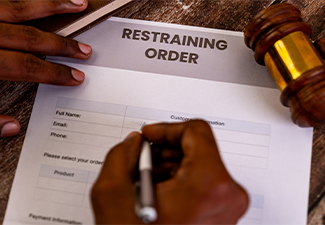 A restraining order can have an immediate and serious impact on your life, especially when it arises from domestic violence claims. It can limit where you go, who you contact, and even affect your employment or housing. While these orders are meant to protect individuals, they’re sometimes issued based on incomplete or disputed information, making it critical to understand your rights and options.
At Douglas A. Ball Attorney at Law, we work with individuals facing domestic violence claims and help them take clear, informed steps when challenging restraining orders and preparing for court. We’re based in Batavia, Ohio, and serve clients throughout Clermont County, Hamilton County, Brown County, and Warren County. If you’re dealing with a restraining order, contact us today to discuss your situation and next steps.
Grounds for Challenging a Restraining Order
Taking timely action after receiving a restraining order can make a meaningful difference in how your case proceeds. After a restraining order is issued, you have the right to challenge it in court. The process typically involves a hearing where both sides present evidence. To prepare effectively, it’s important to understand the legal reasons that can support your case.
Some common grounds for challenging restraining orders related to domestic violence claims include:
Lack of sufficient evidence: The court relies on facts presented during the initial filing. If those facts don’t meet the legal standard, the order can be contested.
False or exaggerated allegations: In some domestic violence claims, accusations may not fully reflect what occurred. Presenting accurate information becomes essential.
Violation of due process: If you weren’t properly notified or didn’t have a chance to respond, your rights may have been affected.
Changed circumstances: Situations can evolve quickly. If the need for protection no longer exists, the order can be reconsidered.
Each of these factors plays a role in how the court evaluates your challenge. From there, the focus shifts to building a strong and organized response, often with the guidance of a lawyer who can help present your case clearly and address any weaknesses before the hearing.
Preparing Evidence and Building Your Case
Strong preparation early on can influence how the court views your position from the start. Once you decide to challenge a restraining order, preparation becomes a key part of your defense. Courts rely heavily on documentation and testimony when reviewing domestic violence claims, so presenting a clear and consistent case matters.
You’ll want to gather evidence that supports your version of events. This includes:
Communication records: Text messages, emails, or voicemails that provide context to the situation.
Witness statements: Individuals who can speak to your character or provide firsthand accounts of events.
Photos or videos: Visual evidence that contradicts or clarifies the allegations.
Official records: Police reports or prior legal documents related to the case.
In addition to collecting evidence, your presentation in court is just as important. Judges will consider not only what’s presented but how it’s explained. That’s where legal guidance can make a difference.
We work closely with our clients to organize evidence, prepare statements, and anticipate questions that may arise during hearings involving domestic violence claims. This preparation helps you present your case in a structured and persuasive way while staying focused on the facts that matter most.
What to Expect During the Court Hearing
The hearing is your opportunity to challenge the restraining order directly. It’s typically scheduled shortly after the temporary order is issued, and both parties will have a chance to speak.
During the hearing, several steps take place:
Opening statements: Each side outlines their position regarding the domestic violence claims.
Presentation of evidence: Documents, photos, and other materials are submitted for review.
Witness testimony: Both sides can call witnesses to support their case.
Cross-examination: Each party has the opportunity to question the other’s witnesses.
Judge’s decision: The court reviews the information and determines whether to dismiss, modify, or uphold the order.
It’s important to remain respectful and focused throughout the process, especially when working with an experienced family law lawyer. The court expects clear communication and adherence to legal procedures.
We guide our clients through each stage of the hearing, helping them stay prepared and confident when addressing domestic violence claims. With the right preparation, you can present your side of the story effectively.
Legal Strategies That Can Strengthen Your Position
As your case progresses, certain legal strategies can help strengthen your argument against the restraining order. These approaches focus on highlighting inconsistencies and reinforcing your credibility.
Some strategies that may apply include:
Challenging credibility: Pointing out inconsistencies in the other party’s statements or evidence.
Establishing context: Providing background that explains interactions or disputes leading to the domestic violence claims.
Demonstrating compliance: Showing that you’ve followed all court orders and acted responsibly.
Highlighting lack of risk: Presenting evidence that there’s no ongoing threat requiring a restraining order.
These strategies are most effective when tailored to your specific situation. Every case is different, and the court will base its decision on the facts presented. We help our clients develop strategies tailored to their circumstances, giving them a clearer path forward in responding to domestic violence claims.
Moving Forward After Addressing Domestic Violence Claims
Challenging a restraining order tied to domestic violence claims can feel overwhelming, but taking action helps protect your rights and future. With preparation and legal support, you can present your case clearly. At Douglas A. Ball Attorney at Law in Batavia, Ohio, our experienced attorney assists clients throughout Clermont County, Hamilton County, Brown County, and Warren County with domestic violence claims and restraining order challenges. Contact us today to discuss your next steps.